
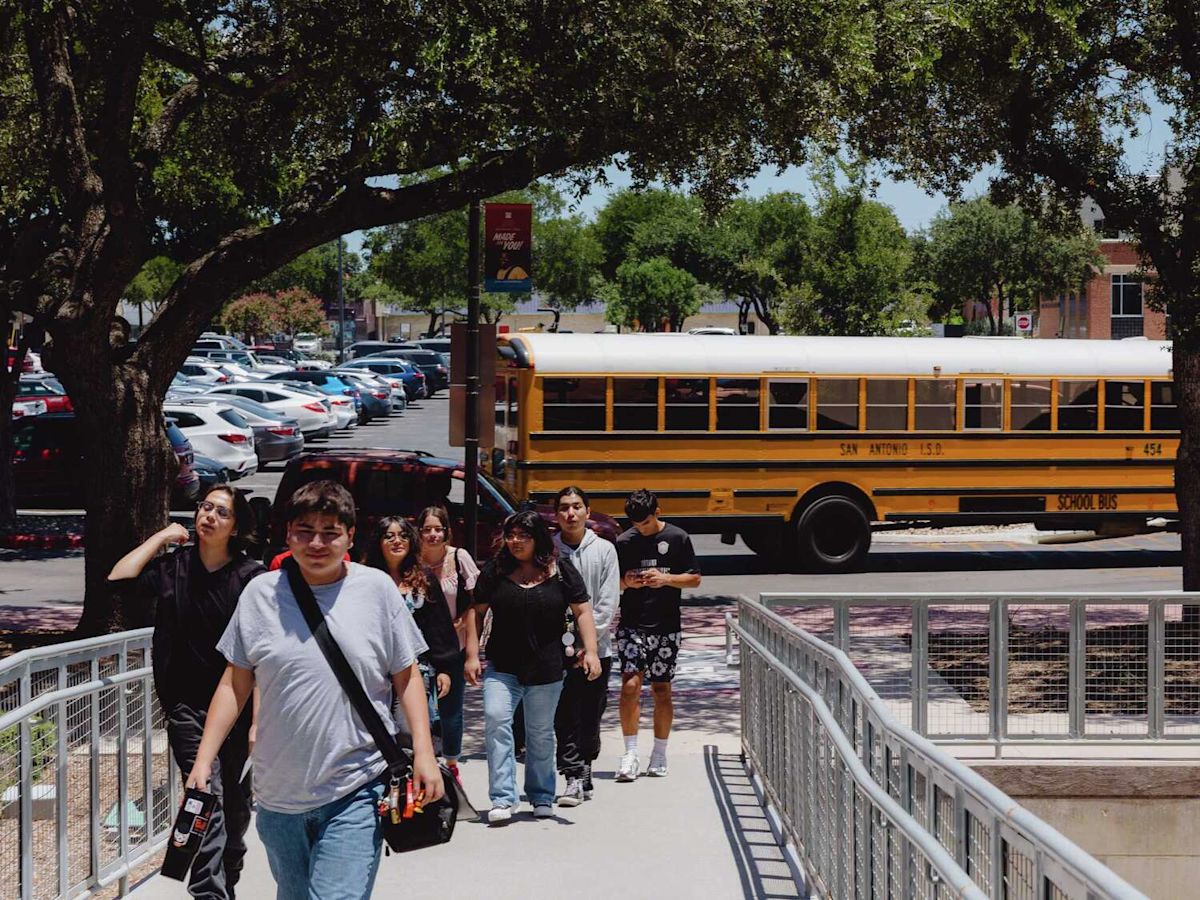
Public school districts throughout the San Antonio metropolitan area are continuing to navigate persistent bus driver shortages as the academic year progresses. While one regional school system has managed to restore its transportation department to pre-pandemic staffing levels, several neighboring districts are still contending with substantial driver vacancies, route consolidations, and financial constraints.
Transportation departments across three of the region's four largest public school systems—Northside, San Antonio, and Judson Independent School Districts—are actively dealing with ongoing recruitment and retention obstacles. These localized challenges reflect a broader nationwide shortage of certified school bus operators that has impacted pupil transit operations across the country in recent years.
Within San Antonio Independent School District, officials report a need to fill 16 bus driver vacancies across an operational network consisting of roughly 125 bus routes. The shortfall requires the remaining driving staff and administrators to adapt daily schedules to ensure all eligible students receive transportation to and from campus.
Similarly, Judson Independent School District is actively working to bridge a staffing gap of its own. District officials have noted that the transportation department requires 10 additional drivers to attain full operational capacity, a benchmark that accounts for having a necessary pool of substitute drivers available to step in whenever regular staff take time off.
During a special board meeting held on Aug. 27, Judson ISD Director of Transportation Earl Stewart detailed the district's operational landscape, explaining that the system was running 84 total bus routes while operating five drivers short. A typical route within the district encompasses a three-tier trip structure designed to transport students across designated elementary, middle, and high school attendance zones.
The topic of transportation staffing prompted discussion among district leadership during the late August meeting, with Judson ISD Trustee Stephanie Jones seeking clarity after hearing concerns from local community members regarding department staffing levels. Jones noted that public commentary had suggested the district might be facing far more severe staffing deficits than was actually the case.
In response, Stewart clarified that operational strain primarily develops when scheduled drivers are absent from work, rather than from extreme deficits during typical operating days. To compensate for occasional staffing shortfalls, transportation administrators have periodically stepped in to drive routes themselves, while regular drivers have picked up additional assignments. With student campus registrations largely completed, transportation teams are focusing on reducing passenger overcrowding and ensuring buses arrive on schedule.
Meanwhile, Northside Independent School District, the area's largest school system, is confronting widespread vacancies across multiple transportation roles. According to Northside ISD Director of Transportation Tesilia Soliz, the district is currently seeking to hire 35 standard bus drivers along with 40 bus assistants to achieve full staffing. In addition, the district needs 15 minibus drivers, a specific role that does not require candidates to hold a commercial driver's license.
The district's recruitment efforts have been heavily influenced by wider financial pressures. Facing a districtwide budget shortfall totaling $38 million, Northside ISD implemented a salary freeze for its transportation personnel, withholding the 2% to 3% annual pay increases that employees typically receive. Soliz indicated that this compensation freeze compounded existing hiring difficulties and forced the department to merge certain routes.
To manage the driver deficit, Northside ISD consolidated select routes that previously accommodated 30 students each. By merging these runs, the district placed buses with seating capacities of 50 to 70 passengers at their upper limits, effectively doubling the physical distance of the routes and noticeably extending transit times for transported students.
Soliz acknowledged the drawbacks of these operational adjustments, emphasizing that while extended ride times are undesirable for students and families, the district must maximize its existing resources to fulfill daily transportation obligations. District officials are looking ahead to Nov. 3, when local voters will consider a proposed tax increase that could potentially supply new funding to reinstate pay raises for transportation staff.
A significant hurdle facing school districts nationwide is the competitive gap between school bus wages and commercial driving positions. Although San Antonio's four largest districts provide paid training to help new recruits earn their commercial driver's licenses, many operators eventually transition to higher-paying commercial trucking roles.
Federal labor data illustrates this financial disparity. According to figures from the Bureau of Labor Statistics, heavy and tractor-trailer truck drivers earn an average annual salary of $58,640, whereas school bus drivers earn an average of $49,390 per year. This wage gap of more than $9,000 annually creates an uphill battle for public school systems trying to retain commercial drivers once they obtain their credentials.
Compounding these local budget struggles is the structure of state transportation funding in Texas. The state provides public school districts with approximately $1 for each mile driven by buses, but this funding is restricted strictly to students who reside more than two miles from their assigned campuses. This state allocation must cover fuel, ongoing fleet maintenance, and driver compensation and benefits, leaving districts to shoulder substantial operational costs.
In contrast to the difficulties observed elsewhere in the region, North East Independent School District has achieved a notable operational turnaround. Executive Director of Transportation Bill Harrison reported that the district's bus fleet is currently in its best staffing condition since before the COVID-19 pandemic began in 2020, an era widely regarded as the start of prolonged national transit shortages.
While North East ISD is still actively recruiting to fill 12 open driver positions, the district successfully manages an extensive network of more than 200 total routes. The relative stability at North East ISD highlights a gradual recovery in select pockets of the region, even as neighboring San Antonio districts continue to navigate budget deficits and workforce shortages to keep their buses running.


(0)