
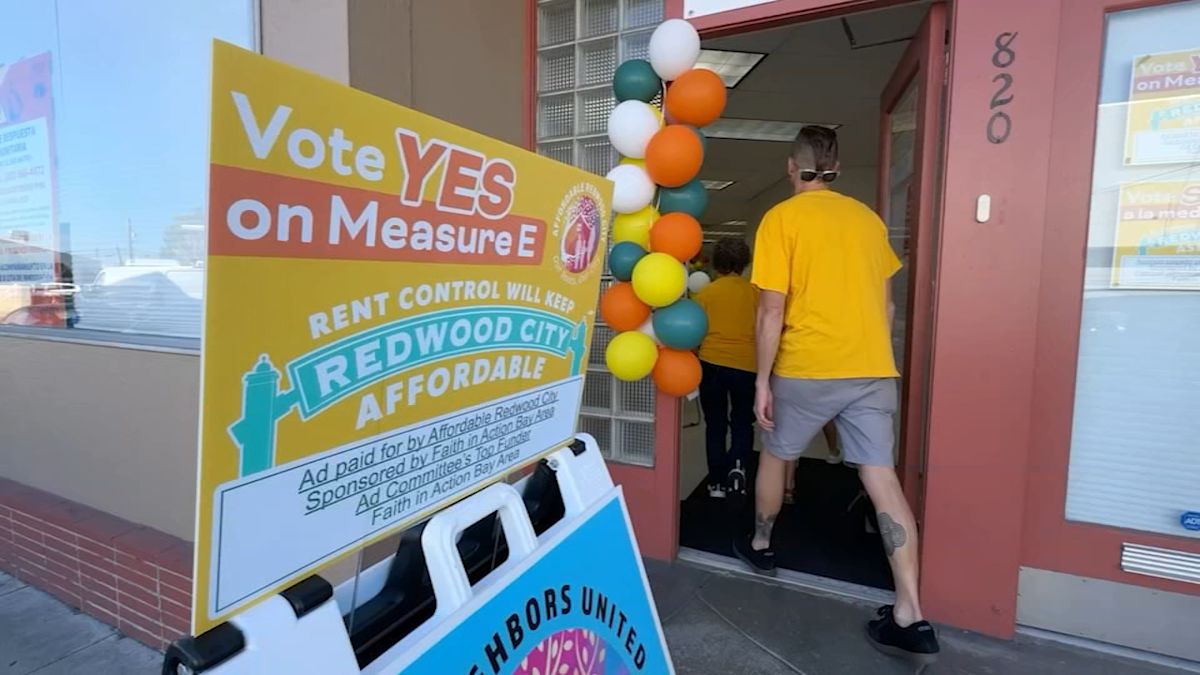
Redwood City voters are preparing to make a pivotal decision this November as Measure E, a contentious ballot initiative aimed at establishing rent control and broadening tenant protections, goes before the local electorate. The proposed ordinance has ignited a passionate debate across the municipality, drawing fierce support from renter advocacy groups and community organizers while facing equally staunch opposition from housing providers and top city officials.
At the heart of the initiative is a framework designed to limit how much landlords can increase rents on eligible older residential properties each year. Under the terms set forth by Measure E, annual allowable rent hikes would be strictly capped at either 5 percent or 60 percent of the rate of inflation—as measured by the Consumer Price Index—whichever calculation yields the lower percentage. Proponents maintain that this mechanism is essential to prevent volatile price swings in the local rental market.
Beyond placing ceilings on annual rent escalations, Measure E seeks to introduce a broader safety net for local tenants facing potential displacement. The initiative includes comprehensive provisions to shield residents from unfair or arbitrary evictions. Furthermore, the measure establishes heightened protections specifically geared toward protecting older community members, extending specialized safeguards to renters who are 62 years of age and older.
In the weeks leading up to the election, grassroots supporters have mobilized across Redwood City neighborhoods to rally community support and educate registered voters about the initiative. Campaign volunteers, including canvassers Jack and Rosa, have taken to local streets on weekends, engaging residents directly on their doorsteps to highlight how the proposed regulations could reshape the city's housing landscape.
Advocates such as Martha Beetley have emphasized the fundamental intent of the measure, noting that its primary objective is to restrict rent increases on older residential buildings so that tenants are never subjected to annual increases exceeding the 5 percent threshold. Backers argue that without such statutory limits, working-class households are increasingly vulnerable to sudden market adjustments that can disrupt family stability.
The push for Measure E comes at a time when many residents report that the rising cost of housing has made staying in the community increasingly untenable. Longtime local resident Michael Range shared that numerous individuals who grew up in the area, including close personal friends and Redwood City natives, have found themselves completely priced out of their own hometown as rental rates continue to climb.
Data highlighted by proponents of the ballot initiative indicates that corporate entities and real estate investment trusts currently control approximately 87 percent of the apartment units located within Redwood City. This high concentration of institutional ownership has fueled arguments from community organizations that organized tenant protections are vital to balance the scales between corporate landlords and individual renters.
Social justice organizations have also stepped forward to endorse the initiative, with the nonprofit advocacy group Faith in Action actively backing the campaign. The organization, which concentrates its efforts on immigrant rights, social justice, and housing equity, views the measure as an essential tool to stabilize marginalized communities and prevent low-income households from being displaced from their neighborhoods.
Supporters point out that many tenants across the city have regularly encountered annual rent spikes ranging between 8 percent and 10 percent, rate hikes that advocate Jack Thompson noted are virtually impossible for most working people to absorb. Thompson described the proposed ballot initiative as a necessary measure that functions to slow the financial bleeding inflicted on renters by unchecked market-rate increases.
Elected officials in the city have also split on the initiative. Redwood City Councilmember Chris Sturken has voiced strong backing for Measure E, arguing that maintaining rent limits is vital to preserving the diverse fabric and essential workforce of the municipality. Sturken highlighted that the measure would help low-income residents—including landscape workers, grocery store clerks, and other service laborers whom the city relies upon daily—remain housed in the community they serve.
Conversely, the measure has drawn fierce pushback from property owner associations and municipal leaders who argue that the regulatory package is overly cumbersome and financially irresponsible. Joshua Howard of the California Apartment Association issued a statement criticizing the proposal as a 46-page regulatory mandate that would impose heavy administrative burdens, citing city estimates that the program would require up to $11 million annually to operate and necessitate the hiring of up to 18 new city staff members.
Redwood City Mayor Elmer Martínez Saballos has also publicly come out against Measure E, characterizing the initiative as a well-intentioned but fundamentally flawed and poorly written piece of public policy. The mayor warned that the initiative could inadvertently undermine existing tenant protection programs and pose severe obstacles to the city’s broader affordable housing initiatives.
A central point of contention raised by the mayor and municipal financial consultants revolves around the program's anticipated administrative expenses, which would need to be financed through city fees assessed on landlords. Mayor Martínez Saballos noted that these proposed regulatory fees could surpass $700 per unit, a surcharge that opponents argue would make future affordable housing developments undertaken by nonprofit builders financially unviable within Redwood City.
Despite these cost concerns, backers of Measure E maintain that the municipal expenditures are fully justified given the urgent need to protect vulnerable families from housing instability. With Election Day approaching, the campaign surrounding Measure E continues to sharpen as Redwood City voters prepare to determine whether to enact strict new rent control caps or reject the measure in favor of the current regulatory framework.


(0)