
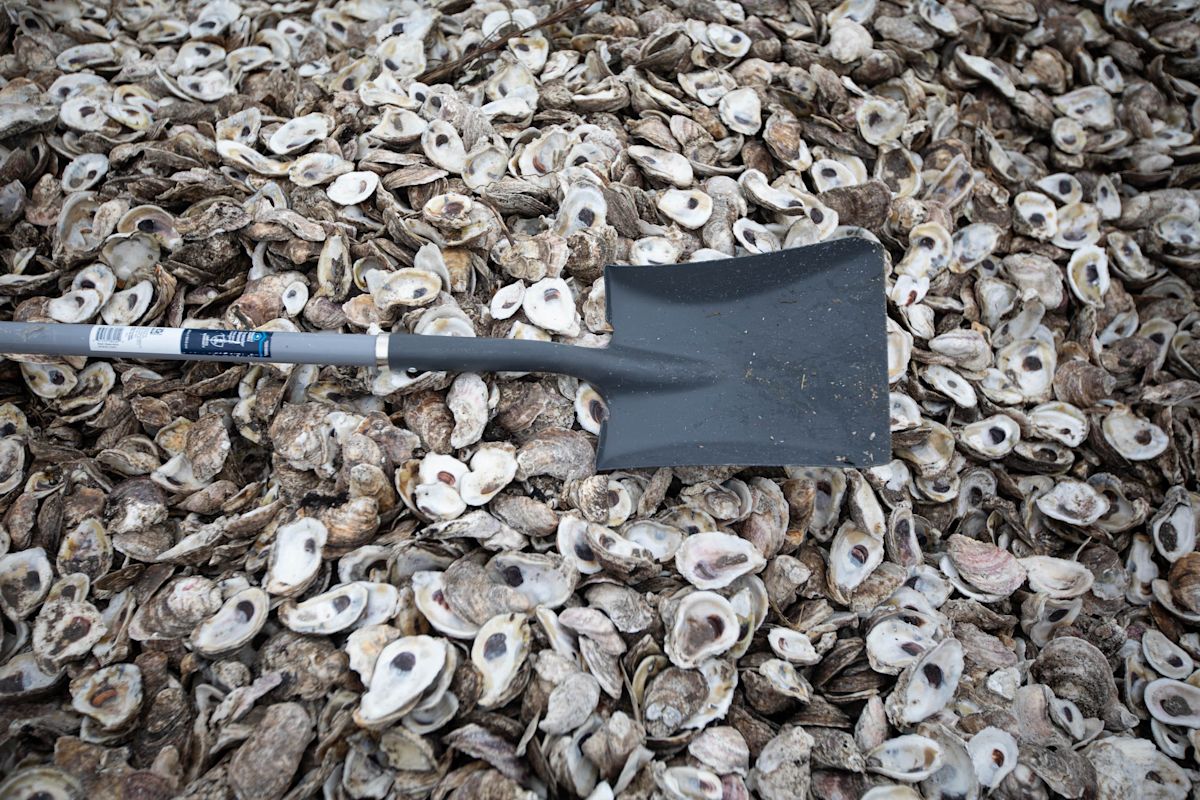
When patrons sit down to enjoy a fresh platter of oysters at inland Texas eateries, they are rarely thinking about the journey those empty shells take once the meal is finished. In typical dining settings, discarded shells are routinely swept into the trash and transported directly to local landfills. However, this standard waste disposal practice strips coastal environments of a vital natural resource needed to maintain resilient marine ecosystems.
To combat this loss, a prominent Coastal Bend conservation project has officially broadened its reach to San Antonio. Through a newly formed partnership, discarded shells from inland dining establishments are now being routed back into Texas bays. This effort allows discarded seafood remnants to serve a renewed ecological purpose by rebuilding damaged oyster reefs along the Gulf Coast.
The initiative is spearheaded by the Sink Your Shucks Oyster Shell Recycling Program, which operates out of the Harte Research Institute at Texas A&M University-Corpus Christi. For years, the organization has coordinated shell collection efforts along the coast, relying on community volunteers to return discarded materials to the water. The new collaboration with the South Texas Coastal Initiative extends that pipeline inland, creating a structured pathway for restaurants in San Antonio to participate.
Organizers emphasize that geographic distance from the shoreline should not prevent communities from taking part in marine stewardship. Stephanie Tierce, the program coordinator for Sink Your Shucks, noted in a news release that the partnership demonstrates that people do not have to live directly on the coast to create a positive environmental impact. She explained that an oyster consumed in an inland city like San Antonio can ultimately become an essential building block supporting the next generation of oysters in Texas bays, completing a true bay-to-table and back-to-bay cycle.
Collection operations are already underway in San Antonio, facilitated by local partner Mission Compost. The composting organization has already gathered more than 5,000 pounds of oyster shells from initial participants. This infrastructure ensures that heavy, calcium-rich shells are separated from the general waste stream and prepared for transport back to coastal restoration sites.
Several well-known San Antonio culinary spots have joined the recycling movement during its initial rollout. Establishments currently participating include Southerleigh Fine Food & Brewery, Brasserie Mon Chou Chou, and Pullman Market, all located in the historic Pearl District. Little Em’s Oyster Bar, situated within the King William historic district, is also actively contributing its discarded shells to the conservation project.
The collaboration has been welcomed by local chefs who view the recycling network as an extension of their environmental responsibilities. Aaron Juvera, chef de cuisine at Southerleigh Fine Food & Brewery, stated that working with the South Texas Coastal Initiative and Sink Your Shucks allows the restaurant to fulfill the complete life cycle of every oyster served. He emphasized that knowing their shells will return to the coast to rebuild fragile reefs reflects a meaningful commitment to environmental sustainability.
Juvera added that the culinary team aims to holistically support Texas oyster farming operations, educate staff and diners about the diversity of local oysters, and guarantee that their kitchen waste actively aids in rebuilding regenerative coastal ecosystems. Organizers are currently seeking to recruit additional culinary partners across the San Antonio area, inviting interested restaurant owners and managers to contact Eric@Ejdcomp.com for more information.
The ecological need for returned shells is rooted in the unique reproductive biology of oysters. Newly spawned oyster larvae are free-swimming organisms that lack protective shells of their own during the first three weeks of life. As they drift through the water column, they must locate a stable, hard substrate to settle upon—preferably the shells of older oysters—before they can attach permanently and begin forming their own hard exteriors.
Without adequate shell coverage on the bay floor, young oysters struggle to establish colonies, which leads to broader environmental consequences. Beyond providing a necessary nursery for oyster populations, established reefs function as critical habitats for numerous species of fish and shellfish. Furthermore, healthy oyster reefs serve as natural biofilters that purify coastal waters and create protective structural barriers that buffer coastlines against severe wave erosion.
The Sink Your Shucks program has built a substantial track record of reef restoration across the Coastal Bend. Over its operational history, the initiative has returned millions of pounds of discarded shells back into the Mission-Aransas Estuary, focusing efforts in Copano Bay, Aransas Bay, and St. Charles Bay. In a recent milestone this past June, project volunteers successfully constructed a new reef just off Mustang Island in the Upper Laguna Madre.
A diverse group of coastal and regional restaurants has supported these achievements through continued participation. The roster of contributing establishments includes Black Diamond Oyster Bar, Castaway's Seafood, Copano's Restaurant, Dai Due, Doc's Seafood and Steaks, Dokyo Dauntaun, Dorado's Restaurant, Fulton Irish Pub, Hometown Seafood, KC's Oyster Shack, Latitude 28°02' Restaurant, Saltwater Grill, The Boiling Pot, Virginia's on the Bay, and Water Street Oyster Bar.
Community involvement remains a fundamental element of the reef restoration process. Volunteers of all age groups, including students from the Rockport-Fulton, Flour Bluff, and Corpus Christi independent school districts, have participated in hands-on conservation work. In past events, youth volunteers have shoveled cured shells into transport buckets at Goose Island State Park to assist Harte Research Institute scientists with reef installation in nearby St. Charles Bay.
Looking ahead, the Sink Your Shucks program is preparing for its next major community restoration event, scheduled to take place on October 3 at Goose Island State Park. By linking inland diners and urban kitchens directly to coastal conservation events, the program continues to expand the collective effort to safeguard Texas marine waters for future generations.


(0)