
As eighteen-year-old Óscar García navigated his pickup truck through the outskirts of San Ángel Zurumucapio, he slowed down before an armed checkpoint manned by masked paramilitary guards carrying semi-automatic rifles. After recognizing the young driver and exchanging familiar street nicknames, the sentries waved him through the barricades.
Sitting in the passenger seat beside him, his 74-year-old grandfather, Francisco, adjusted his straw cowboy hat and lamented how drastically the landscape had shifted over the decades. The agrarian expanse of Michoacán state had once been desperately impoverished yet peaceful, until commercial avocado cultivation reshaped every facet of local life.
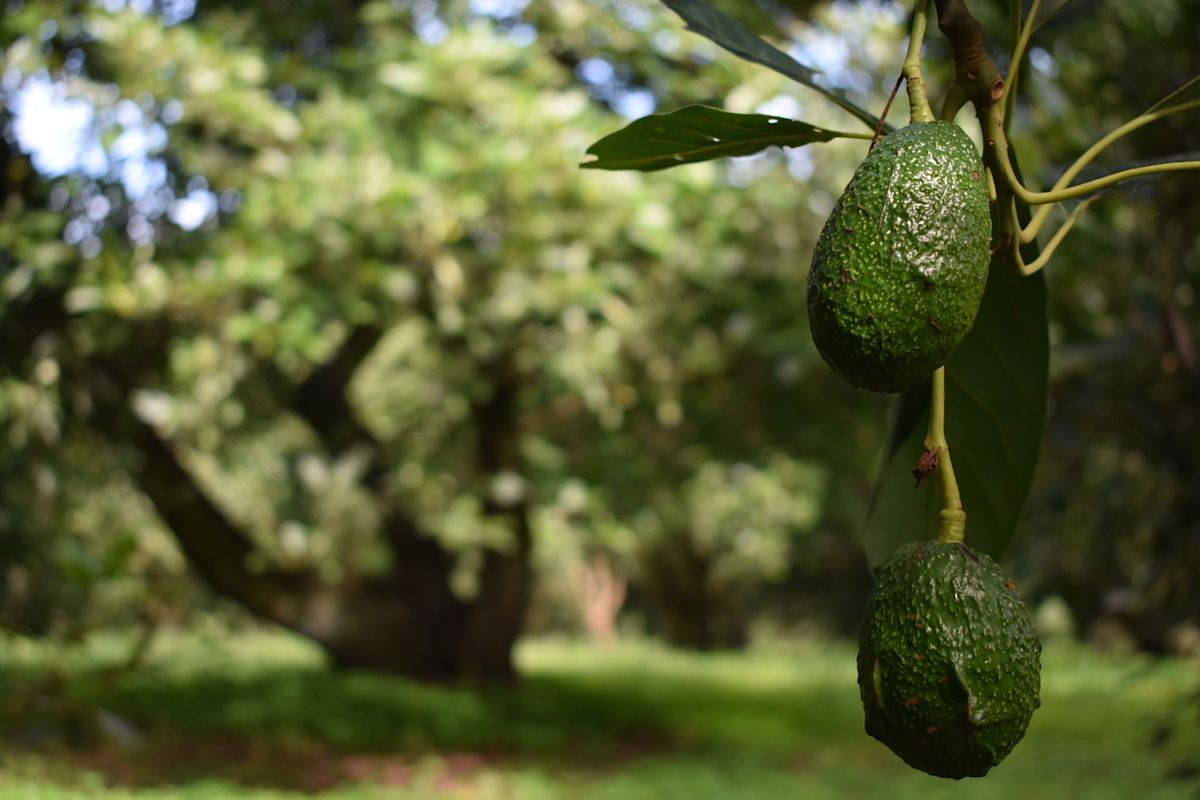
While the booming agricultural sector brought unprecedented financial windfalls to this corner of western Mexico, it also ushered in an era of deep dread and violence. The dense, sprawling orchards that blanket the regional mountainsides now conceal acute perils that have disrupted the entire municipality and fractured Óscar’s own household.
Navigating past the winding main road and ascending a rugged dirt track framed by fruit trees, Óscar suddenly brought the vehicle to a halt. The young man, who was forced to assume stewardship of the family groves despite his youth, quietly pointed toward the desolate spot where searchers had previously located his father’s abandoned truck.
San Ángel Zurumucapio is a close-knit indigenous settlement of approximately 6,000 residents with P'urhépecha heritage. For generations, the community maintained a tranquil rhythm defined by extended kinship networks and seasonal rodeos held every few months, but the economic stakes tied to agriculture have drastically rewritten that routine.
Decades earlier, the territory consisted largely of untouched native woodland. During his youth, Francisco traversed the pine-covered hills on horseback, scraping together an austere living by tapping sap and resin from the towering trees, finding few opportunities for financial advancement within the state.
Under those challenging economic conditions, local men felt that migrating abroad offered the only realistic escape from chronic poverty. Francisco journeyed north to work in Texas, saving enough money to build a home capable of housing his twelve children, and his eldest son, Pancho, later followed the same route by laboring on a North Carolina Christmas tree farm for six years.
Upon returning to Michoacán to start a family with his wife, Terésa Pérez, Pancho invested his hard-earned savings into clearing a small plot of forest to plant his first avocado seedlings. His timing aligned with a major structural transformation in continental trade that would soon redefine Mexican agriculture.
The implementation of the North American Free Trade Agreement led to the lifting of a longstanding United States embargo on Mexican avocado imports in 1997. Over the subsequent three decades, an insatiable international appetite for the fruit transformed Michoacán into the global capital of avocado output, lifting rural farmers into the middle class.
For Pancho and Terésa, the harvest yielded remarkable upward mobility. The family constructed a modern residence, acquired new vehicles, took seaside vacations, and enrolled their three children—Ana, Óscar, and José—in quality schools, replicating a success story seen among many neighbors who possessed the capital to cultivate orchards.
However, the rapid agricultural expansion created profound ecological and social repercussions. The clearing of vast forest tracts to plant hundreds of thousands of acres of orchards altered the local climate, driving up regional temperatures and diminishing annual rainfall across the state.
At the same time, the immense cash flow generated by the avocado trade attracted criminal cartels seeking to diversify their revenue streams beyond trafficking cocaine, heroin, and methamphetamine. Beginning in the mid-2000s, heavily armed syndicates began encroaching on orchards, seizing productive acreage, and subjecting growers to extortion under the threat of lethal violence.
In San Ángel Zurumucapio, cartel operatives openly displayed their dominance, driving high-end vehicles through municipal streets, playing loud music, and consuming drugs in public spaces. The escalating turf wars created an atmosphere of persistent fear for younger generations who had to navigate regular shootouts near schools and community religious monuments.
Kidnappings targeting agricultural producers grew increasingly common, with armed groups abducting farmers and demanding steep ransom payments from their families. Despite the clear dangers surrounding his isolated groves, Pancho steadfastly refused to carry firearms for self-protection, choosing to focus quietly on domestic life and teaching his son Óscar how to fertilize soil and combat crop blights.
Pancho’s disappearance underscored the relentless insecurity plaguing Michoacán’s agricultural belt. Faced with systemic lawlessness and extortion, the community turned toward self-reliance by instituting an autonomous governance model and mobilizing armed neighborhood militias to protect orchards and residents.
Today, heavily guarded barricades and community patrols reflect the enduring tension between prosperity and peril in San Ángel Zurumucapio. While the green fruit lifted an entire indigenous populace out of deep poverty, it also left families like Óscar's grappling with the permanent scars of gangland violence.


(0)