
Landscape enthusiasts and home horticulturists are increasingly turning to unique botanical forms to elevate traditional garden aesthetics, with bell-shaped and pendulous blossoms emerging as top choices for creating visual texture. These specialized blooms, known for their downward-curving profiles and delicate silhouettes, lend a soft, storybook ambiance to residential outdoor spaces. Whether nestled along winding footpaths, grouped inside patio planters, or integrated into expansive landscape beds, these floral structures offer an eye-catching alternative to standard flat-faced flowers.
Horticultural experts emphasize that the primary advantage of incorporating bell-shaped varieties lies in their sheer ecological and stylistic adaptability. Ranging from low-lying groundcovers suited for edge borders to soaring spires that anchor open corners, these plants accommodate a wide spectrum of microclimates and seasonal windows. By selecting an intentional mix of species that bloom from late winter through high summer, gardeners can cultivate a continuously evolving landscape that seamlessly blends subtle, understated tones with intense, vivid colors.
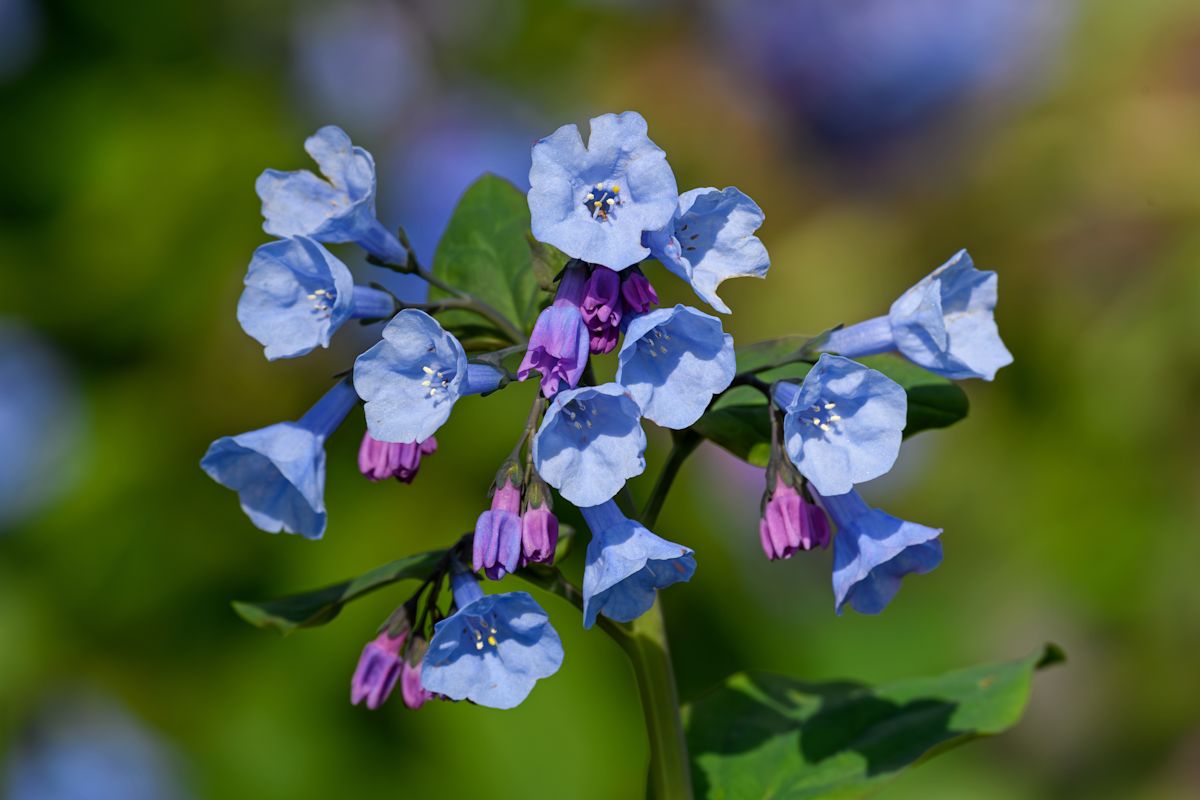
Among native spring ephemerals, the Eastern United States native Virginia bluebell remains a prominent selection for establishing early-season color. Emerging with rounded, gray-green foliage and growing up to 24 inches in height, this plant produces tubular blossoms that famously transition from soft pink buds to clear blue blooms before entering summer dormancy. When allowed to naturalize in moist woodland environments, these plants develop into extensive, breathtaking drifts of spring color that blanket the garden floor.
Another spring native that thrives in low-light environments is bellwort, which is well-suited for shaded garden spaces across USDA Hardiness Zones 4 through 9. Characterized by its gracefully nodding habit, the plant displays elongated, bright yellow petals that offer a distinct visual contrast against darker woodland backgrounds. Its ability to prosper in shaded settings makes it a dependable companion for other understory perennials.
For gardeners seeking unconventional visual patterns alongside functional pest management, fritillaries provide an inventive solution. Featuring distinctive checkered markings on downward-facing, bell-like flowers, fritillaries perform best in cool, well-drained soils under partial shade. Beyond their striking aesthetic in shaded and woodland areas, these plants naturally repel burrowing rodents and squirrels. While varieties like Fritillaria imperialis are frequently treated as annual plantings by casual growers, the bulbs possess the capacity to reliably rebloom as perennials when given proper soil conditions.
Vertical garden design can also be achieved through shaded perennials such as foxglove, which generates tall spikes densely lined with tubular blossoms. Blooming from late spring through early summer, foxglove thrives in USDA Zones 4 to 10 and provides essential vertical structure in shaded alcoves where few other tall flowering species flourish.
Adding depth closer to the ground, Coral Bells (Heuchera spp.) combine vibrant foliage with slender, elevated stems bearing dainty bell-shaped flowers. Highly valued for their resilience in woodland garden settings, these low-growing perennials rarely succumb to plant diseases and continuously draw beneficial pollinating insects to shaded corners of the landscape.
Even before the primary spring growing season begins, snowdrops announce the transition out of winter with delicate white nodding petals. These resilient early bloomers excel in partially shaded spots and adapt well to clay soils, provided the ground remains sufficiently well-drained and free from excessive compaction.
In sunny, arid landscape sections where rocky or nutrient-poor soil poses a challenge for traditional ornamentals, beardtongue—scientifically known as Penstemon—offers an exceptionally durable solution. Growing up to four feet tall across USDA Zones 3 through 9, this sun-loving perennial features showy, long-lasting flowers characterized by a unique pollen-free stamen, needing only weekly watering throughout the dry summer months.
Gardeners looking for larger structural shrubs can turn to weigela, a rapid-growing woody specimen reaching up to six feet in height. Thriving in full sunlight and tolerant of dense clay soils, weigela produces an abundance of pink-to-red bell blossoms that serve as an active feeding hub for local pollinators.
Aromatic interest can be introduced through hyacinths, which are celebrated for their potent, sweet fragrance and compact flower clusters available in vibrant shades of pink, blue, and white. These versatile spring bulbs can either be planted outdoors in well-drained garden soil or forced inside during colder months to supply early indoor color and scent.
True bellflowers expand the color spectrum in sunny garden borders, producing dense displays of blue, purple, and white blossoms. Rich in nectar, bellflowers serve as vital resources for visiting pollinators while contributing a reliable wash of color across the main growing season.
The architectural diversity of bell-formed flora is further demonstrated by the Golden Columbine (Aquilegia chrysantha). This distinctive perennial pairs bright, five-spurred blossoms against dark, clover-shaped foliage, making it a dramatic choice for rock ledges, slopes, and open planting beds. In addition to attracting local wildlife, columbines offer natural resistance against browsing deer.
Animal resistance remains a major priority for home gardeners, and both lungwort (Pulmonaria) and daffodils (Narcissus) provide built-in protection against foraging wildlife. Lungwort relies on textured, hairy leaves to deter deer while producing early spring blossoms in shady spaces. Meanwhile, classic trumpet-shaped daffodils—consisting of a prominent central cup framed by exterior petals—thrive across Zones 3 through 8 in full to partial sun, reliably multiplying and naturalizing across beds year after year.
Rounding out the bell-shaped spectrum are climbing morning glory vines, renowned for their large, trumpet-style blue blossoms that unfurl at dawn and close by afternoon. Requiring full sunlight, regular hydration, and well-draining soil, morning glories function as dynamic annual climbers in temperate zones while behaving as perennials in warmer regions.
By strategically pairing early winter bulbs, mid-season woodland wildflowers, robust summer shrubs, and climbing vines, home gardeners can harness the unique architecture of bell-shaped flora. This holistic approach ensures a resilient, pollinator-friendly landscape that delivers visual depth and charm throughout the entire growing year.


(0)