
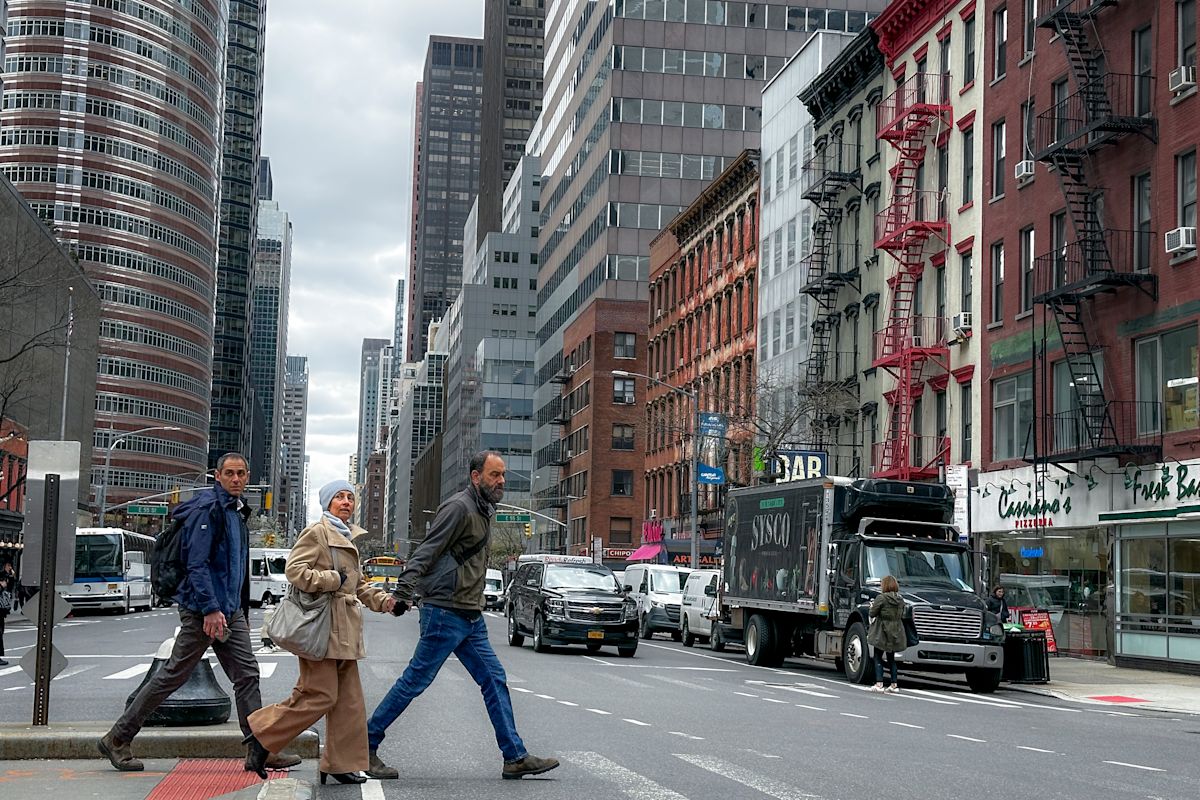
New York City officials have introduced an ambitious, decade-long restructuring of municipal traffic safety policy, establishing 100 policy goals designed to dramatically curb roadway deaths and create a safer environment for pedestrians, cyclists, and motorists alike.
Mayor Zohran Mamdani announced the comprehensive blueprint, dubbed "Vision Zero Reimagined," during a Tuesday afternoon press conference. Standing alongside the mayor were families holding photographs of relatives who were killed in traffic crashes across the city.
Addressing the gathered crowd, Mamdani stressed the moral imperative of proactively transforming dangerous corridors rather than reacting only after fatal incidents occur. He emphasized that the city is dedicated to constructing safe infrastructure in advance of tragedies, arguing that preventable traffic deaths must no longer remain an ordinary facet of life in New York.
The updated initiative arrives as municipal leaders face an increasingly complex transit environment. In recent years, traditional motor vehicles have had to share congested roadways with a surging volume of pedal bicycles, electric bikes, and various other personal micromobility devices.
To address these evolving conditions, the newly unveiled roadmap features several targeted interventions aimed at controlling vehicle speeds and protecting vulnerable road users. Among the primary proposals is the expansion of 15 mph speed limits across hundreds of additional school zones to protect students and families during peak travel hours.
The plan also commits the city to an aggressive schedule of street engineering, mandating the installation of protective barriers and upgraded safety infrastructure at 1,000 intersections each year. These physical adjustments are intended to safeguard turning corridors where pedestrians and cyclists are most vulnerable to collisions.
In addition to physical street modifications, the administration intends to modernize the municipal government's own fleet. Thousands of city-owned vehicles will be retrofitted with advanced safety systems, including enhanced automatic emergency braking and specialized audible alert mechanisms for large municipal trucks.
The policy roadmap also intensifies regulatory and enforcement efforts against chronic traffic offenders. Under the proposal, drivers repeatedly caught speeding in designated school zones would face the mandatory installation of speed-capping devices on their vehicles to physically restrict their acceleration.
The city also plans to expand operations targeting reckless motorists and vehicles fitted with illegal, untraceable "ghost plates," which allow drivers to evade automated red-light and speed cameras. Furthermore, the plan introduces higher toll rates specifically for oversized passenger vehicles, aiming to disincentivize large, heavy personal vehicles from crowding dense neighborhood streets.
Beyond vehicular restrictions, the blueprint seeks to repurpose urban space by expanding pedestrian-only zones across the five boroughs. To ensure equitable access to sustainable transportation, the administration is proposing dedicated financial assistance to help low-income New Yorkers cover the costs of public transit fares and Citi Bike access.
While several of these measures can be enacted directly by municipal agencies through administrative rule changes and agency budgets, other critical components will depend on cooperation from state lawmakers in Albany, who retain ultimate statutory authority over certain traffic and tolling policies.
The new package builds upon the foundation of New York City's original Vision Zero initiative, which was first established in 2014. Municipal officials credit that initial effort with bringing traffic fatalities down to historic lows by combining targeted street redesigns, widespread public awareness campaigns, and focused traffic enforcement.
However, the updated ten-year strategy comes in response to recent data demonstrating the persistent dangers on local roads. According to figures compiled by the transit advocacy group Transportation Alternatives, 99 people lost their lives in traffic collisions during the first six months of the year, representing an increase of eight fatalities compared to the same period the previous year.
Advocates noted that a significant portion of those recent victims were people riding bicycles, illustrating the urgent need to expand dedicated infrastructure for micromobility riders as e-bikes and two-wheeled transit continue to proliferate.
While precise locations for every upcoming redesign have not yet been detailed by city agencies, Transportation Alternatives has highlighted the city's 50 most hazardous roadways, a list that features major thoroughfares such as Jerome Avenue in the Bronx and Eastern Parkway in Brooklyn.
Reiterating his administration's commitment to sweeping street reforms over the next decade, Mayor Mamdani affirmed that safe transit is a fundamental right for every resident across all neighborhoods and modes of travel.





(0)