
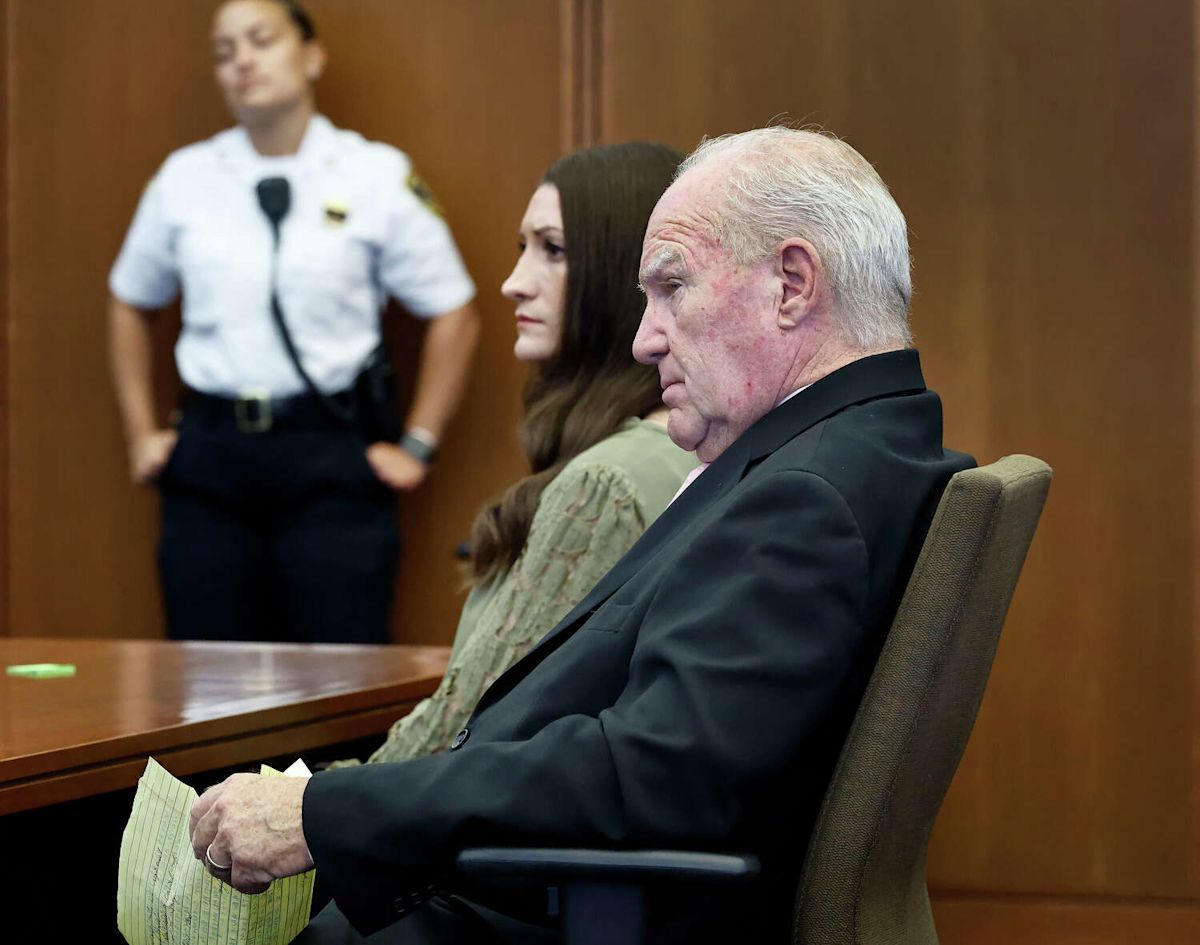
The presiding judge in the Lindsay Clancy murder trial has officially ordered the identities of all participating jurors to be impounded indefinitely. The decision to shield the names of the panel members comes in response to mounting concerns over their personal safety amid the intense public scrutiny surrounding the high-profile Massachusetts proceedings.
Under the order issued by Judge William Sullivan, the identifying details of all 18 panel members—consisting of 12 primary deliberating jurors and six alternates—will remain confidential under court seal. According to official court records, the restriction will stay in place until Sullivan determines that conditions warrant a revised judicial directive.
In his two-page written ruling, Sullivan underscored the severity of the potential hazards facing the jurors if their names were disclosed. The judge emphasized that the judicial system must act decisively to prevent immediate and irreparable harm that could arise from releasing the registry of jurors to the general public under present circumstances.
The indefinite protective order expands upon an earlier temporary measure instituted by the court. Sullivan initially sealed the jurors' names for a 14-day window on Sept. 4, the same day he formally declared a mistrial in the case after the jury proved unable to reach a unanimous verdict following roughly a full week of intense deliberations.
Explaining the necessity for continuing the secrecy, Sullivan highlighted the exceptionally divisive climate that has characterized the trial. The judge noted that the legal proceedings have commanded widespread, passionate, and polarizing attention, capturing headlines both throughout the Commonwealth of Massachusetts and across the United States.
Compounding the security landscape is the sheer volume of volatile digital commentary surrounding the matter. Sullivan pointed to the extensive number of social media postings that have emerged, many of which have analyzed, questioned, and strongly reacted to the jury's private deliberations and ultimate deadlock.
The court also cited concrete security incidents that heightened apprehensions about juror welfare during the trial. Sullivan referenced the prior arrest of a 56-year-old Massachusetts resident who was apprehended outside the courthouse after she was observed covertly recording jurors as they departed the building, although the woman asserted she had intended only to film Clancy.
In addition to surreptitious filming outside the courthouse, the judge noted that certain jurors have already been publicly identified across various platforms without their knowledge or consent. Furthermore, at least one member of the panel formally approached the court to request that the impoundment order be maintained indefinitely to safeguard their well-being.
The extension of the judicial seal follows shortly after several jurors chose to speak publicly to news outlets regarding their internal discussions. These post-trial interviews provided unprecedented insight into the jury room, revealing how close the panel had come to delivering a definitive verdict before reaching an insurmountable impasse.
According to those juror accounts, 11 of the 12 deciding members had cast their votes in favor of finding Clancy not guilty by reason of insanity. The collective consensus of the near-unanimous majority was thwarted by a solitary dissenting voice, which ultimately led to the declaration of a mistrial.
Panelists who spoke out indicated that the lone holdout juror steadfastly refused to endorse an acquittal on the grounds of mental illness. Those jurors claimed that this individual remained resistant to joining the majority decision, even after allegedly acknowledging during deliberations that they harbored doubts regarding Clancy's legal guilt.
The criminal proceedings stem from the tragic events of Jan. 24, 2023, which resulted in the deaths of Clancy’s three young children. Clancy, a native of Connecticut, was indicted on three counts of first-degree murder in connection with the strangulation deaths of her five-year-old daughter, Cora, her three-year-old son, Dawson, and her eight-month-old infant, Callan.
Prosecutors alleged that Clancy carried out the fatal attacks inside the family residence during a brief window of time when her then-husband, Patrick Clancy, had left the home to run errands. The shocking nature of the incident quickly drew nationwide attention, sparking complex debates over maternal mental health and legal accountability.
Throughout the trial, defense attorney Kevin Reddington argued that Clancy was suffering from severe postpartum psychosis at the time the children were killed. The defense asserted that this acute psychiatric condition left her completely incapable of understanding the wrongfulness of her actions, thereby removing her criminal responsibility under the law.
Conversely, the prosecution painted a starkly different portrait of the defendant, contending that the killings were carried out with premeditation and deliberate planning. State prosecutors argued to the jury that Clancy acted with calculated intent, describing her behavior and personality as manipulative and controlling rather than legally insane.
With the mistrial leaving the underlying murder charges unresolved, the court's latest ruling ensures that the citizens who served on the panel will remain shielded from public identification. Judge Sullivan's indefinite seal guarantees that the identities of the 18 men and women will remain protected until the court determines that the public safety risks have subsided.


(0)