
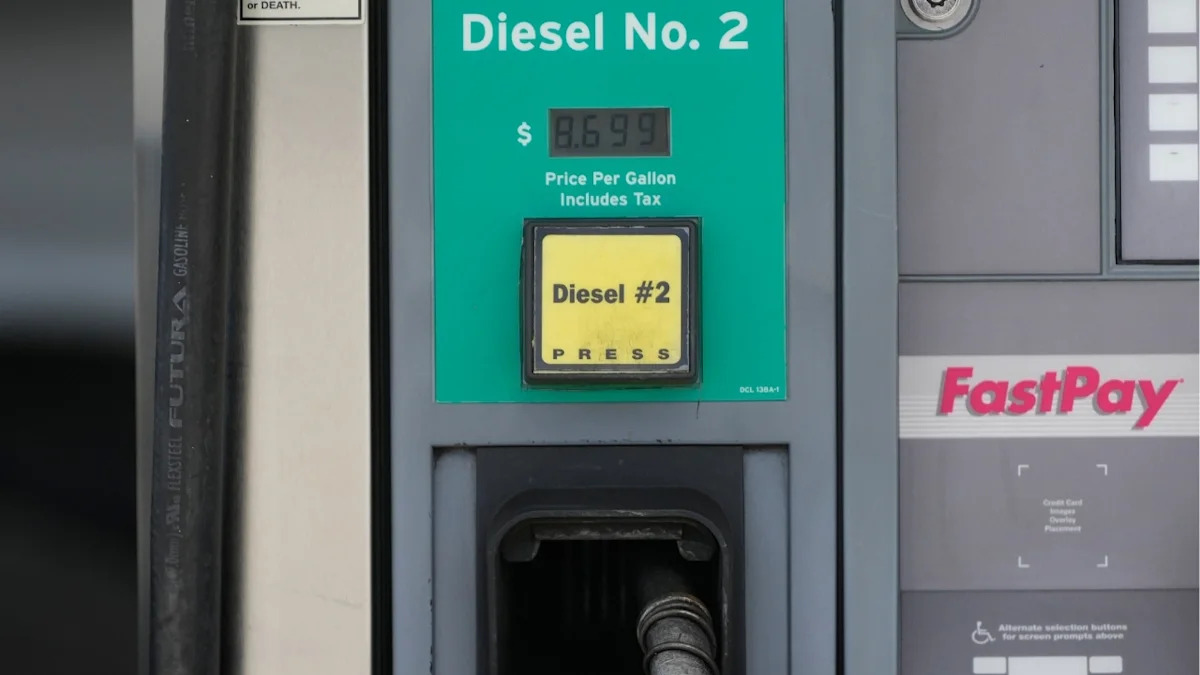
Commercial drivers, logistics companies, and fleet operators throughout California are confronting unprecedented operational expenses as retail diesel prices surge to historic highs across the state. In several high-traffic metropolitan pockets, particularly within the San Francisco Bay Area, select retail fueling locations have posted prices rapidly approaching the nine-dollar-per-gallon threshold, setting off widespread concern across the transportation and freight sectors.
The sharp escalation in commercial fuel costs has further widened the pricing disparity between California and the rest of the United States. Because diesel powers the overwhelming majority of heavy-duty vehicles responsible for hauling freight, agricultural goods, and industrial components, these record-setting fuel prices are placing extraordinary fiscal strain on critical supply chains that support the broader regional economy.
While standard automotive gasoline has maintained elevated averages throughout the western region, the disproportionate surge in diesel fuel has created uniquely severe operational hurdles. Service stations in and around the Bay Area have reported some of the steepest price tags in the nation, driven by a confluence of localized refining constraints, strict regional fuel standards, and sustained global pressure on middle distillate supplies.
Energy sector analysts point out that California’s distinctive regulatory landscape consistently keeps baseline fuel costs well above national benchmarks. The state enforces stringent environmental standards requiring boutique, lower-emission fuel blends that are produced by a limited number of specialized refineries. When combined with elevated state fuel excise taxes and environmental fees, the baseline expense for commercial fuel remains persistently high.
In addition to foundational structural factors, the regional refining infrastructure along the West Coast operates in relative isolation from other major domestic energy hubs. Because the Pacific Coast is geographically separated by mountain ranges and lacks extensive pipeline connectivity to the Gulf Coast refining network, the state is heavily dependent on local refinery production and ocean-borne fuel shipments to meet everyday demand.
This structural isolation leaves the regional fuel distribution network exceptionally vulnerable to unexpected disruptions. Routine seasonal maintenance, unplanned mechanical outages, or power interruptions at California refineries can swiftly deplete regional inventories. With available reserves tightening rapidly, wholesale spot prices frequently surge, immediately filtering down to commercial filling stations and bulk fuel terminals.
On a broader scale, global distillate inventories—which include diesel fuel and heating oil—have remained constrained for an extended period. Heightened worldwide demand, coupled with evolving geopolitical trade dynamics, has reduced the availability of replacement cargoes from international markets, limiting the options regional suppliers have to alleviate tight local supply balances.
The immediate consequence of these soaring retail prices is being felt most acutely by independent truck drivers and small commercial carriers. For independent owner-operators running long-haul or regional routes, fuel expenditures represent the single largest ongoing operating cost. With prices approaching nine dollars per gallon, the expense required to fill a standard commercial truck's dual tanks can easily exceed a thousand dollars per stop.
Many freight carriers rely on fuel surcharges in their commercial contracts to help absorb unexpected increases in diesel expenses. However, transportation analysts note that these contractual adjustments often lag behind rapid market spikes, leaving smaller carriers to absorb substantial out-of-pocket costs in the interim and placing severe pressure on their overall financial viability.
Beyond the trucking and logistics industries, the ripple effects of record-high diesel prices are progressively spreading into everyday consumer goods. Diesel is the primary power source for agricultural harvesting equipment, construction machinery, and distribution fleets. As the cost of transporting commodities increases, businesses are forced to adjust pricing structures to maintain sustainable operations.
California’s massive agricultural sector is particularly exposed to elevated transportation expenditures. Growers and shipping distributors operating across the Central Valley must transport perishable produce to urban retail markets and major coastal export ports. Elevated freight costs inevitably add upward pressure on grocery prices, compounding broader inflationary pressures for households across the state.
Business advocacy organizations and freight trade groups have voiced rising alarm over the economic implications of prolonged fuel inflation. Industry leaders warn that if transportation costs remain at these historic levels, small enterprises that operate on narrow margins may be forced to curtail service routes, reduce fleet capacity, or pass substantial rate increases onto their retail partners.
The escalating prices have also prompted renewed discussions among industry representatives and regional policymakers regarding potential measures to alleviate the financial burden on commercial operators. Debates have centered on potential regulatory adjustments, fuel tax oversight, and the implementation of mechanisms to prevent extreme price volatility during periods of refinery supply stress.
Energy market specialists caution that meaningful price relief at the pump will ultimately require a sustained recovery in regional refining output, alongside an expansion of regional distillate stockpiles. Until refining capacity stabilizes and supply channels can reliably rebuild local reserves, commercial fuel markets are expected to remain sensitive to ongoing price volatility.
For now, transport companies and commercial drivers navigating the Bay Area and surrounding regions must continue to manage exceptionally high overhead expenses. As pump prices linger near historic records, operators across California are bracing for an extended period of financial pressure that will continue to resonate across the entire supply chain.





(0)